

Tim Maxwell
Canadian Certified Counsellor
Supporting individuals and couples through trauma, behavioural addiction, self-esteem, and relationship challenges.
Availability: Accepting New Clients
In-person (Calgary) or Online (AB, BC, SK, MB, NWT
*Currently No Waitlist
Tim Works With:
Teens & Adults
Individuals & Couples
Service Areas: Alberta, BC, Saskatchewan, Manitoba, and The Northwest Territories.
Phone: 587-353-3445, Ext. 200
Email: tim@carbonpsychology.ca

Tim works with individuals and couples in Calgary and across Western Canada who are used to pushing through and staying functional, but are starting to feel overwhelmed, off, or out of alignment.
Before becoming a therapist, Tim worked in the trades. He understands the pressure, pace, and expectations that come with physical, demanding work, and the cultural norms around "just keep going" that often come with it. Many of his clients are hardworking and self-reliant, and have hit a point where the patterns they've relied on aren't working anymore.
He works with anxiety, trauma, depression, grief, relationship challenges, and addictions. Behavioural addictions are an area he works with directly and openly, including gambling, pornography, sex, gaming, social media, AI use, and exercise compulsion. These are areas that remain underserved in most Calgary therapy practices.
Tim’s Approach.
Tim's approach is focused on helping clients understand and shift patterns that feel difficult to change. His work is informed by attachment, trauma, and mindfulness-based perspectives.
For trauma and behavioural addictions, he uses EMDR (Eye Movement Desensitization and Reprocessing) to process the underlying experiences fueling the patterns. With individuals more broadly, he draws from Acceptance and Commitment Therapy (ACT) and CBT to clarify values and develop more effective ways of responding to difficult thoughts and emotions.
For couples, Tim is trained in the Gottman Method (Levels 1 and 2, including Treating Affairs and Trauma), a structured, evidence-based approach to communication, conflict, and rebuilding connection.
What it’s like to work with Tim.
Sessions with Tim are grounded, practical, and focused on real-life change. He brings a steady, down-to-earth presence, creating a space where clients can be honest about what’s going on without feeling judged.
He balances support with directness, helping clients look at patterns clearly while also working toward changes that feel realistic and sustainable. There is often a bit of humour in the room, which helps make the work feel more approachable, even when the topics are difficult.
Personal Note
I believe we all live storied lives shaped by struggle, change, and the search for meaning. Therapy offers a place to slow down, reflect, and speak your truth, even when your voice shakes.
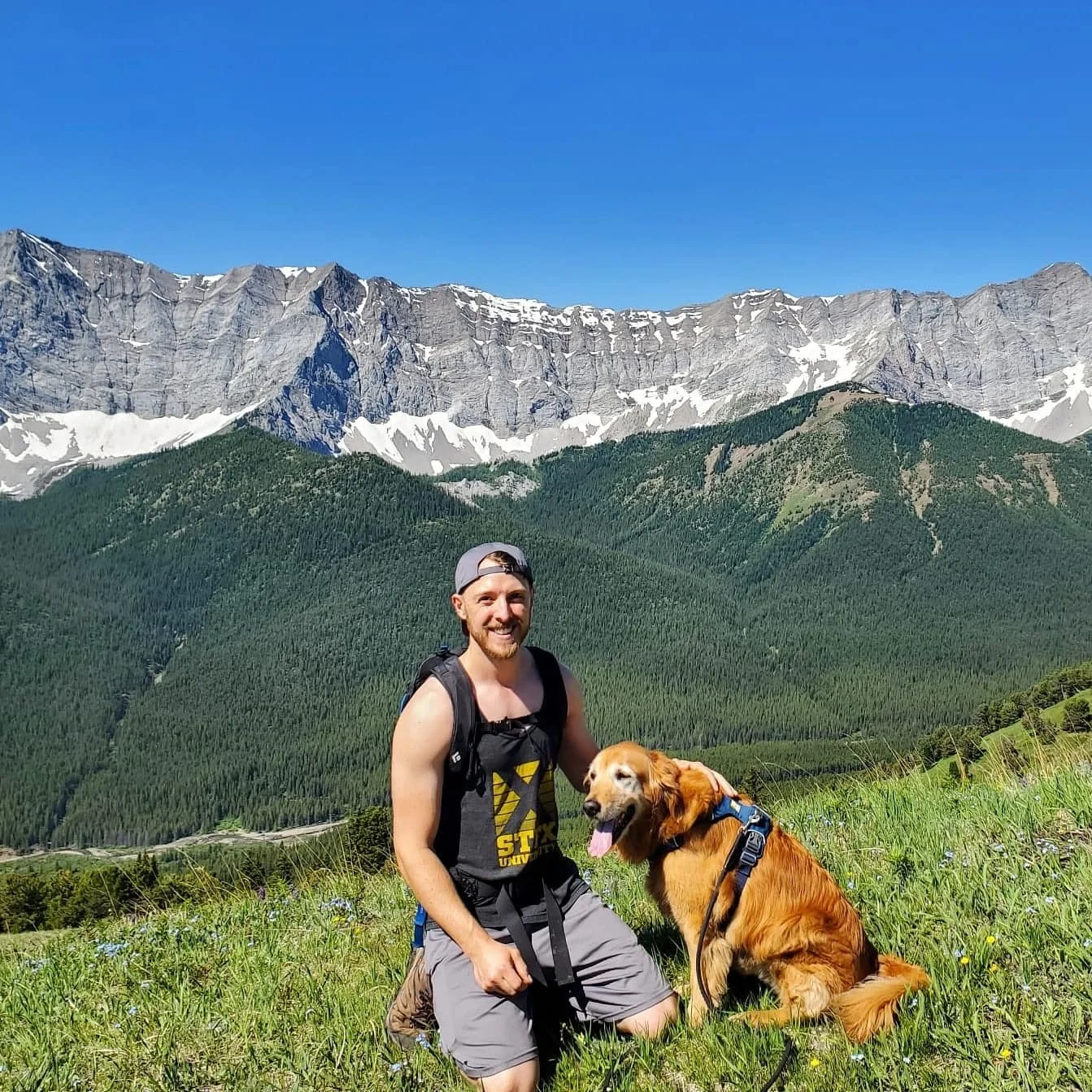
Outside of my clinical work, I spend much of my time reading to feed my curiosity, while also making a point to get outdoors, touch grass, and challenge myself when I can.
I'm particularly passionate about men's mental health. It's an often-underserved area of counselling, and one that has a meaningful impact on how we show up as partners, brothers, friends, and ultimately for ourselves and who we want to become.


Education.
Masters of Counselling Psychology, City University of Seattle
Bachelor of Business Administration, St Francis Xavier University
Specialized training in EMDR, Gottman Method Couples Level 1 and 2 (Treating Affairs and Trauma), and Acceptance and Commitment Therapy (ACT).
Tim Helps With.
Trauma • Behavioural Addictions (Gambling, Porn, Sex, Gaming, Social Media, AI, Exercise) • Couples Therapy • Affairs and Infidelity • Men's Mental Health • Trades and High-Pressure Professions • Self-Esteem • Emotion Regulation • Relationships • Depression • Anxiety • Grief
Behavioural Addiction Therapy in Calgary
Working with the patterns that have taken hold.
Behavioural addictions are different from substance use, but they hijack the same reward systems in the brain. Gambling, pornography, gaming, social media, sex, AI use, and exercise can all become compulsive in ways that feel impossible to interrupt on willpower alone, especially when they've become a way of regulating stress, loneliness, or unprocessed pain.
Tim's work targets the underlying drivers, not just the behaviour. Using EMDR, ACT, and trauma-informed approaches, he helps clients understand what the behaviour is actually doing for them, and build a different relationship with the patterns that have taken hold.